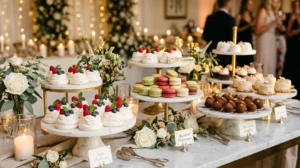
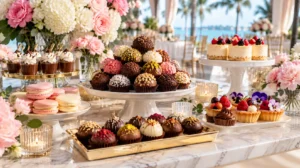
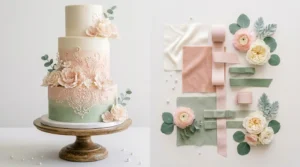
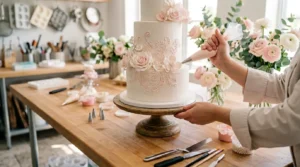
Custom wedding dessert design moves through seven stages: inspiration gathering, color palette translation, structural sketching, flavor pairing, tasting, revisions, and final production. A skilled Miami dessert artisan treats each stage as an extension of the couple’s overall wedding palette, turning swatches and florals into icing, sugar work, and texture that echo the reception’s design story.
Every unforgettable dessert table starts long before the first cake tier is stacked. It begins with a conversation—one where swatches, Pinterest boards, and venue photos become the blueprint for something entirely edible. For brides and wedding planners working within Miami’s tropical, light-drenched aesthetic, this translation from palette to pastry is both a technical craft and an artistic one.
Understanding how custom confections come together can help you communicate more clearly with your dessert artisan, set realistic timelines, and feel confident that your dessert table will arrive looking exactly as envisioned. Here’s how that process typically unfolds, from first inspiration to final plating.
How Do Dessert Artisans Gather Inspiration for a Custom Wedding Cake?
The design process almost always begins with a discovery conversation. A skilled confectioner will ask about the wedding’s overall aesthetic, venue, florals, linens, and even the bride’s gown details. In Miami, this often means pulling inspiration from the surrounding landscape—sea glass blues, sun-bleached corals, and the deep greens of monstera leaves and palm fronds.
Couples typically bring mood boards, fabric swatches, floral mockups, and venue photography to this first meeting. Planners play a crucial role here too, helping bridge the gap between the overall event design and the dessert table so everything feels like one cohesive story rather than a collection of separate decisions.
How Is a Wedding Color Palette Translated Into Icing and Sugar Work?
Once the inspiration is gathered, the real artistry begins: converting a swatch of fabric or a strand of orchids into something achievable in buttercream, fondant, or isomalt. This requires technical knowledge of how pigments behave in different mediums, since a color that looks perfect on silk can shift entirely once mixed into Swiss meringue buttercream.
Artisans typically work through a few translation techniques:
- Custom color-matching:: Mixing gel pastes to achieve the exact blush, sage, or turquoise from the couple’s palette, often testing multiple batches to account for how icing colors deepen over time.
- Hand-painted details:Watercolor-style brushwork on fondant to mimic marbled stone, ocean waves, or abstract art featured elsewhere in the decor.
- Sugar flowers and florals::Replicating the exact bloom types from the bridal bouquet—anthurium, bird of paradise, or trailing orchids—in gum paste, matched petal-for-petal to the florist’s arrangements.
- Metallic finishes: :: Edible gold leaf, hand-painted copper accents, or metallic airbrushing to add the luxury shimmer often found in Miami’s upscale reception designs.
Texture matters just as much as color. A smooth, lacquered fondant finish reads as sleek and modern, while a textured buttercream or palette-knife technique feels organic and romantic—each choice should echo the mood of the broader tablescape.
How Do Flavor Pairings Get Chosen for a Custom Wedding Dessert?
Flavor selection is where artistry meets appetite. The best dessert designers treat flavor as another layer of storytelling, often incorporating tropical notes that reflect a Miami setting: passionfruit curd, coconut cream, guava, or Key lime paired with classic bases like vanilla bean or dark chocolate.
Choose a brighter, fruit-forward flavor profile if your reception is outdoors or during warmer months, since lighter fillings tend to hold up better and feel more refreshing to guests. Opt for richer combinations, like espresso and dark chocolate or salted caramel, if your wedding has an evening, indoor, or black-tie feel. Many couples choose two or three flavors across different tiers, giving guests variety while still keeping the overall dessert cohesive in appearance.
What Happens During the Sketch and Mockup Phase?
After inspiration and flavor direction are set, most artisans create a sketch or digital mockup of the proposed dessert. This visual reference allows the couple and planner to approve the shape, tier count, and decorative details before any actual baking begins.
Mockups typically include:
- Overall silhouette and tier proportions
- Placement of sugar flowers, metallic accents, or hand-painted details
- Color swatches matched directly to the wedding’s palette
- Notes on texture (smooth, textured, marbled, or sculptural)
This stage is also when planners often step in to confirm the dessert’s scale matches the table size and reception layout, ensuring it complements rather than overwhelms the surrounding florals and decor.
Why Does the Tasting Appointment Matter So Much?
A tasting appointment isn’t just a delightful afternoon with cake samples—it’s where flavor, texture, and final adjustments come together. Couples typically sample three to five flavor combinations, evaluating not just taste but also crumb texture, filling-to-cake ratio, and how well each pairing complements the others if multiple flavors are planned across tiers.
This is also the moment to flag any dietary needs, such as gluten-free or vegan requirements, since adjusting a recipe can shift texture and may require additional testing time. Choose this appointment to finalize decisions rather than simply confirm preferences you’ve already settled on; most artisans build in time afterward for one or two rounds of refinement based on your feedback.
How Many Rounds of Revisions Should You Expect?
Most custom dessert designs go through one to two revision rounds after the initial mockup and tasting. Revisions might involve adjusting a color that reads too saturated in photographs, refining the placement of sugar flowers, or swapping a flavor combination that didn’t land as expected during tasting.
Clear communication during this stage saves time later. Bring reference photos, be specific about what isn’t working, and trust your artisan’s technical expertise when they recommend adjustments for structural stability or flavor balance—these recommendations typically protect the final result rather than compromise it.
How Far in Advance Is a Wedding Dessert Produced and Delivered?
Production timelines vary by complexity, but most elements—sugar flowers, fondant decorations, and any make-ahead components—are crafted days or even weeks before the wedding, while cake layers and fillings are typically baked closer to the event for freshness. Delicate sugar work, like hand-piped lace or sculpted florals, often requires the longest lead time due to drying and curing requirements.
Delivery and on-site styling happen on the wedding day itself, with the artisan or their team assembling tiers, placing fresh florals, and adding any last-minute finishing touches directly at the venue. In Miami’s heat and humidity, this final assembly step is especially important, since certain buttercreams and chocolate decorations require careful handling and climate consideration right up until the moment the dessert table is unveiled.
Bringing Your Vision to the Table
Designing a custom wedding dessert is a layered process, part technical precision, part creative translation. From the first mood board to the final styled reveal, every decision—color, texture, flavor, and finish—works together to create a dessert table that feels like a natural extension of your wedding’s story.
Designing a custom wedding dessert is a layered process, part technical precision, part creative translation. From the first mood board to the final styled reveal, every decision—color, texture, flavor, and finish—works together to create a dessert table that feels like a natural extension of your wedding’s story.
Frequently asked questions
How far in advance should we book a custom wedding dessert designer?
Most couples should book their dessert artisan six to nine months before the wedding, especially for peak Miami wedding season or intricate sugar work requiring extended production time
How much does a fully custom wedding dessert typically cost?
Costs vary widely based on size, tier count, and decorative complexity, with highly detailed sugar flowers and metallic finishes increasing the price compared to simpler buttercream designs. Request a detailed quote during your consultation based on your specific design.
Can our dessert match florals and linens exactly, or just the general color scheme?
Many artisans can color-match quite precisely using gel pastes and hand-painted details, though some natural variation is normal since icing and fabric reflect light differently. Bring physical swatches when possible for the most accurate match.
What if we have guests with dietary restrictions?
Most dessert artisans can accommodate gluten-free, dairy-free, or vegan requests, though these adjustments should be discussed at your tasting appointment since they may affect texture and require additional recipe testing.
What happens if we want to change the design after our tasting?
A revision round is typically built into the process after tasting, allowing you to adjust flavors, colors, or decorative elements before final production begins.