Yes, wedding favors can beautifully double as place cards. Combining these two elements—like personalized chocolate bars, Floral Brigadeiros with guest names, or succulents with engraved markers—reduces table clutter, lowers costs, and creates a memorable touchpoint. This dual-purpose approach is a favorite among modern couples seeking elegance without unnecessary complexity.
Wedding planning is an intricate dance of decisions, from the perfect invitation suite to the final flourish of reception décor. Amid the seating charts and vendor contracts, one detail often gets overlooked until the eleventh hour: what to leave at each guest’s place setting.
Here’s an elegant solution gaining popularity among couples and planners alike—merging two essential elements into one. Instead of a separate favor and a separate place card, why not let one item perform both roles? This approach doesn’t just simplify your tablescape. It transforms a purely functional necessity into a moment of delight, one that guests will remember long after the last dance.
Below, we’ll explore why this dual-purpose trend deserves a spot on your planning checklist, along with design ideas—including one confection that’s stealing hearts at weddings everywhere—to help you execute it flawlessly.
Why Should You Combine Place Cards and Wedding Favors?
Merging place cards and favors isn’t just a clever hack. It’s a design philosophy rooted in intentionality, and it offers real, tangible benefits for couples navigating the demands of modern wedding planning.
It simplifies your tablescape. Every item on a reception table competes for visual and physical space. By combining two elements into one, you reduce clutter and create a cleaner, more curated aesthetic—one that photographs beautifully and feels less chaotic to set up on the big day.
It stretches your budget further. Rather than allocating separate line items for favors and place cards, couples can invest in one thoughtfully designed piece that serves double duty. This is particularly valuable for weddings with guest counts north of 100, where small per-item savings add up quickly.
It creates a personalized touchpoint. A guest’s name, handwritten or elegantly printed on a favor, transforms an ordinary keepsake into something that feels made just for them. This small gesture signals care and consideration, qualities every guest notices.
It showcases creativity. Dual-purpose favors give couples a chance to infuse personality into their celebration. Whether it’s a nod to a shared hobby, cultural heritage, or favorite flavor, these details become talking points guests remember.
What Are the Best Dual-Purpose Favor and Place Card Ideas?
The beauty of this trend lies in its flexibility. A dual-purpose option suits nearly every wedding aesthetic, from rustic garden affairs to sleek, modern soirées.
Personalized chocolate bars. Custom-wrapped chocolate bars featuring guest names in elegant typography make for a decadent, giftable place marker.
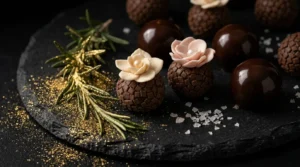
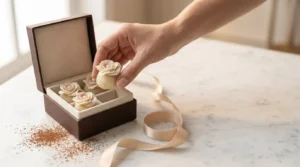
Floral Brigadeiros. For couples wanting something truly show-stopping, Floral Brigadeiros—Brazil’s beloved truffle-like confections, adorned with delicate edible flowers—offer an artisanal, photogenic option. Top each one with a small, printed tag or an edible flourish bearing the guest’s name, turning a simple sweet into a miniature work of art that feels equally at home on a reception table or in a guest’s hands.
Small potted succulents with engraved wooden markers. These living favors pair beautifully with rustic or bohemian themes and give guests a lasting reminder of the celebration.
Gourmet tea or coffee packets. Printed tags with guest names transform these cozy favors into charming place settings, perfect for fall or winter weddings.
Artisanal candles. Personalized labels double as seating indicators while offering guests a luxurious, long-lasting keepsake.
Custom cookie favors. Edible toppers with guest names or initials add a whimsical, bakery-fresh touch to any dessert-loving crowd.
Monogrammed seed packets. A sweet, sustainable option for garden-themed or spring weddings, these favors grow long after the wedding day ends.
How Do You Design Dual-Purpose Favors for a Modern Wedding?
Getting the details right ensures your favors feel intentional, not like an afterthought squeezed into the budget.
Match your color scheme. Whether your palette leans toward soft pastels or bold jewel tones, matching your favor packaging to your overall table design creates a cohesive visual story.
Choose fonts that reflect your aesthetic. A delicate script font suits a romantic garden wedding, while clean sans-serif lettering complements a modern, minimalist affair.
Invest in quality materials. Guests notice texture and craftsmanship. Opt for materials that feel elevated—thick cardstock, wax seals, or hand-tied ribbon—so your favors read as luxurious rather than budget-driven.
Consider practical sizing. Favors should fit naturally within a place setting without overwhelming the table or requiring awkward rearranging by your catering staff.
Prioritize sustainability. Eco-friendly packaging, consumable favors like Floral Brigadeiros, or biodegradable materials align with the values of environmentally conscious couples and guests alike.
How Can You Save Money on Dual-Purpose Wedding Favors?
Combining favors and place cards is inherently budget-friendly, but a few additional strategies can stretch your dollars even further.
Buy in bulk. Ordering favors in larger quantities significantly reduces the per-unit cost, especially for items like chocolates, candles, or seed packets.
Consider DIY options. Couples with time and creativity to spare can hand-letter place cards or assemble favor packaging themselves, cutting costs while adding a personal touch.
Partner with local vendors. Local bakers, florists, and artisans—including those specializing in confections like Floral Brigadeiros—often provide personalized touches at a more accessible price point than large-scale suppliers.
Purchase early. Locking in your favor order months in advance often unlocks better pricing and gives you ample time to adjust quantities as your guest list finalizes.
Making Every Place Setting Count
Combining place cards and wedding favors is more than a clever planning shortcut. It’s an opportunity to elevate the guest experience while simplifying the logistics that so often overwhelm couples in the final weeks before their wedding.
With thoughtful design choices—whether that’s a beautifully lettered succulent marker or a delicate Floral Brigadeiro topped with a guest’s name—dual-purpose favors feel intentional, generous, and memorable. They prove that the smallest details at a wedding often leave the biggest impression.
As you finalize your reception design, consider where this dual-purpose approach fits into your celebration. Your guests will notice the thoughtfulness, and your planning checklist will thank you for the simplicity.
Frequently Asked Questions
Are dual-purpose favors more expensive than traditional favors?
No, dual-purpose favors typically cost less overall since couples eliminate the need for separate place cards, consolidating two budget line items into one thoughtfully designed piece.
What is a Floral Brigadeiro, and why is it a good wedding favor?
A Floral Brigadeiro is a Brazilian truffle-like confection topped with edible flowers, offering a visually striking and delicious favor that can be personalized with a guest’s name for use as a place card.
Can dual-purpose favors work for large weddings?
Yes, dual-purpose favors are especially practical for large weddings, where reducing individual table items simplifies setup logistics and lowers per-guest costs.
Are there sustainable options for combined favors and place cards?
Yes, options like monogrammed seed packets, consumable treats such as Floral Brigadeiros, and eco-friendly packaging materials allow couples to minimize waste while still delivering a personalized experience.
How far in advance should I order dual-purpose wedding favors?
Most couples order favors two to three months before their wedding date, though ordering earlier can unlock bulk pricing and allow time for design adjustments.